
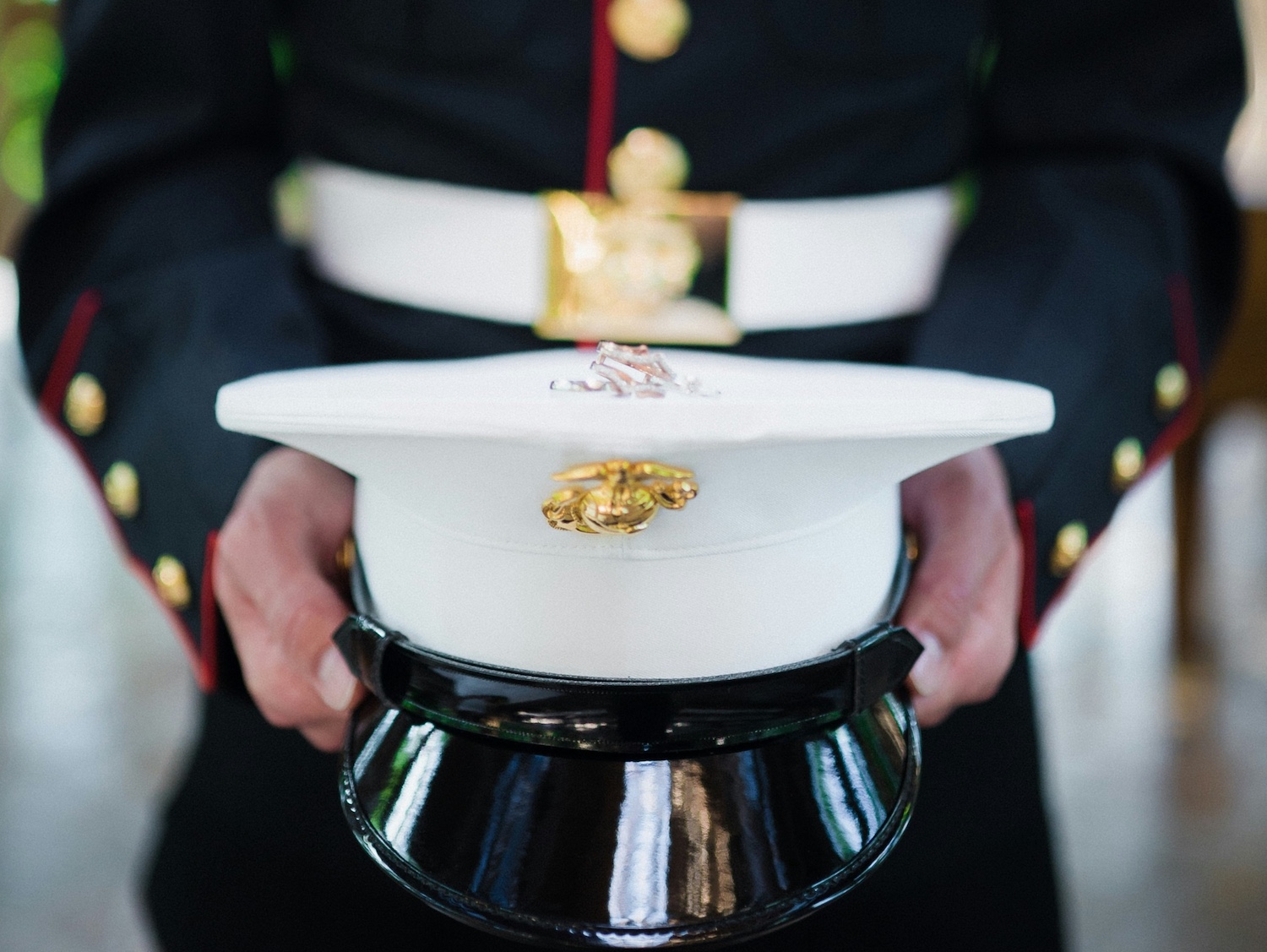
The Top 5 Leadership Skills I Learned as a Royal Marine
“People don’t follow titles. They follow behaviour.”
People are often curious about how my time in the Royal Marine Corps shaped me as a leadership and high performance coach. The truth is, nearly everything I know about leadership was forged there.
The Royal Marine taught me a masterclass in embodied leadership – walking the talk, in a way much deeper than rank, authority, or believing one person has to have all the answers. It was about earning and maintaining trust when conditions were toughest, making sound decisions when the pressure was highest, and inspiring people to perform beyond what we all thought possible.
Marines are trained to maintain the highest standards when fatigue sets in, uncertainty grows, and the stakes are real. In those moments, leadership is not a title. It is embodied action. Complete alignment between what you say and how you act.
Over decades of leadership coaching, I have observed that the principles that build exceptional Marines are the same principles that build high-performing teams, and exceptional organisations.
Interestingly, many of the leadership concepts being championed today by Harvard Business Review and leading researchers echo the ways of being the Royal Marine Corps have practiced for generations: trust, accountability, resilience, adaptability, and a relentless commitment to mission and team.
The top five leadership skills I learned as a Marine that continue to make a difference in today’s business climate:
1. Leadership Starts With Example
One thing that gets exposed quickly in the Marines is leaders who say one thing and do another. People don’t follow titles. They follow behaviour.
The strongest leaders I served under never asked others to do something they weren’t willing to do themselves. Whether it was a tough assignment, long hours, or maintaining standards, they led from the front.
That lesson applies just as much in the workplace today. Employees pay close attention to what leaders do, especially during times of change. When leaders model the behaviours they expect from others, trust follows.
Leadership takeaway: If you want accountability, consistency, and commitment from your team, it starts with you.
2. Adaptability Beats Perfection
In the Marines, plans change. Constantly.
You learn quickly that waiting for perfect conditions isn’t an option. You assess the situation, make the best decision you can, adjust, and keep moving forward.
Business feels a lot like that these days.
Whether it’s AI, shifting markets, talent challenges, or changing customer expectations, leaders are constantly navigating uncertainty. Harvard Business Review’s recent work on adaptive leadership highlights the growing importance of adjusting your leadership approach based on what your people and your situation require in that moment.
Leadership takeaway: Strong leaders are not rigid. They are grounded in purpose while remaining flexible in execution. The Royal Marines lived by the moto; Adapt, Improvise and Overcome!
4. Own the Outcome – Radical Responsibility
One phrase that stuck with me throughout my military career was simple:
“Take ownership.” Not because leaders need to be perfect, but because leaders are responsible.
When things went wrong, the best leaders didn’t spend time looking for someone to blame. They focused on what could be learned, what could be fixed, and what needed to happen next. After every major operation, we would complete a rapid debrief process to examine what went well, what didn’t and what to do next time a similar situation arose.
I’ve found that principle to be incredibly powerful in business. Teams respect leaders and teams who own mistakes, learn quickly, and move forward with humility.
Leadership takeaway: Accountability isn’t about blame. It’s about responsibility, growth and continuous improvement.
5. Develop Other Leaders
The best Marine leaders weren’t focused on creating followers.
They were focused on creating more leaders.
They spent time coaching, mentoring, and preparing others for greater responsibility. They understood that their success wasn’t measured by what they accomplished personally, but by the capability of the people around them.
That’s a lesson many organisations are embracing today. Leadership development remains one of the most important capabilities identified in modern leadership research.
Leadership takeaway: Your legacy as a leader is reflected in the success of those you help grow.
Final Thoughts
The business world has changed dramatically over the years, but the fundamentals of leadership haven’t.
People still want leaders they can trust.
They still want leaders who listen, adapt, take responsibility, and invest in others.
For me, those lessons started in the Royal Marines. They’ve shaped my leadership philosophy ever since, and I believe they’re more relevant today than ever.
The title on your business card might earn you a position.
The way you lead will always determine whether people choose to follow.



Leave A Comment